How Do You Survive a 1000-Player Rust Wipe in an Ancient Fortified God Rock Base?
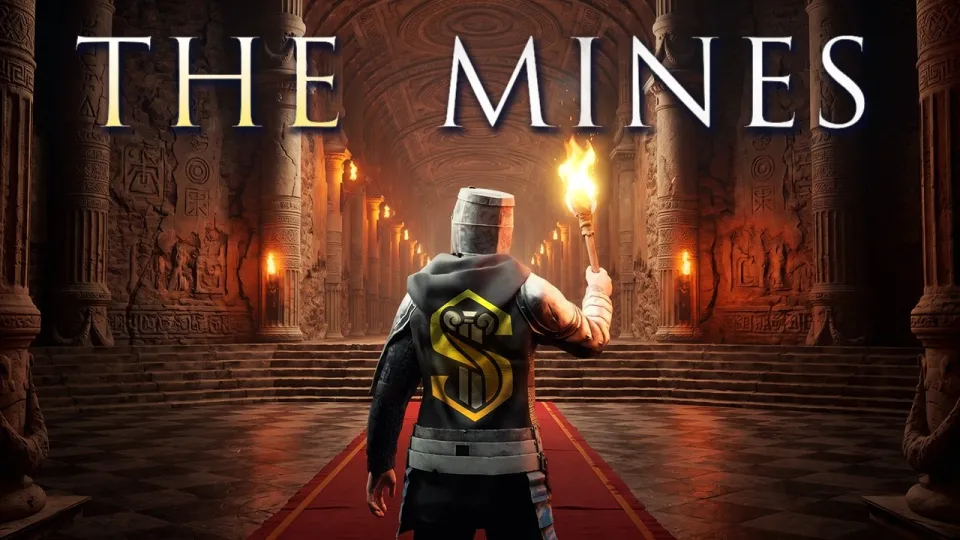
Video: I Survived in an ANCIENT FORTIFIED god rock base in Rust..
You can order the same kind of articles for your own video to boost it on YouTube and Google. Just message the Telegram bot @sat_sit_bot. The bot writes and publishes the articles itself (with your YouTube video embedded) on popular topical websites (no ads). Free trial — 50 articles.
Surviving a Rust wipe on a 1000-player server as a solo player comes down to picking a base location that other players cannot easily raid, and an ancient fortified god rock base does exactly that: it uses a natural rock formation as free, indestructible walls, then layers player-built defenses on top of it. Solutize built one of the most ambitious solo god rock bases he had attempted, and the approach is repeatable if you understand how god rocks work and how to fortify them. You can watch the sessions behind the video live on Solutize's Twitch channel, where the full wipe was recorded.
What makes a god rock base so strong in Rust
A god rock is a rock formation that is large enough, and shaped well enough, to hide a base inside or underneath it while blocking sightlines and rocket angles from most directions. The strength is not the rock itself but the geometry: attackers cannot place ladders or raid towers on the rock face, and splash damage from explosives is absorbed by the terrain. On a crowded server, that matters more than raw stone count, because most solo bases fall to groups who simply out-scale them with rockets and C4.
A working god rock base usually combines three things:
- A rock with a concave or overhanging face where a small footprint fits without gaps.
- A build that hugs the rock so there is no exposed soft side.
- Enough internal layering that even a successful breach does not reach the loot room quickly.
The ancient fortified concept explained
The "ancient fortified" label describes a build style rather than a game mechanic: the base is designed to look and behave like an old stone stronghold, with thick outer walls, narrow entry points and a compact core. Functionally, it means treating the rock as the outer curtain wall and building inward in rings.
In practice, a fortified god rock build follows a few rules:
- Keep the footprint small enough that every wall is either rock or a reinforced player wall.
- Put the tool cupboard and loot behind at least two layers that do not share a wall with the outside.
- Use the rock's overhang to cover the roof, since roof access is the most common way small bases get opened.
- Leave no ledge wide enough for a raider to stand on and place a ladder.
Because the rock cannot be destroyed, every explosive a raider spends has to go into player-built structures, which raises the cost of the raid far above what a small solo base normally justifies.
How to survive a 1000-player wipe as a solo player
A 1000-player server changes the economics of Rust: resources are contested, popular monuments are camped, and the first hours decide whether you have a base at all. A solo player cannot win open fights against groups, so the strategy is to stay invisible, build early, and avoid becoming a target.
A practical order of operations for a solo wipe:
- Spawn away from the busiest beach and move inland toward low-traffic terrain, ideally near a rock formation you have already scouted.
- Secure a starter base before the first night and upgrade the core to stone as soon as you have the stone income.
- Farm the materials for the god rock shell in several short trips rather than one long, visible run.
- Keep the base looking poor from the outside; a small, plain exterior discourages raiders more than a decorated one.
- Spread loot across two small stashes or boxes so a single breach does not end the wipe.
The fortified rock base is the payoff for that discipline: it lets a solo player hold resources that would otherwise be raided within a day.
Raid defense lessons from a solo god rock run
Defense in a solo base is mostly about cost, not combat. Every design decision should make the raid more expensive than the loot is worth, and god rock bases do this by forcing raiders into predictable paths.
Key defensive points that apply to any fortified rock build:
- Count the minimum number of explosives needed to reach your loot and keep that number high, even if the base is small.
- Use doors as speed bumps on the inside so a breach does not open straight into the core.
- Avoid windows and open shooting positions that reveal the internal layout.
- Keep a secondary stash outside the base with enough gear to restart if the main base falls.
- Log in at irregular times, since offline raids are the main threat to solo players.
On a high-population server, most raids happen while you are offline, so the goal is not to win a firefight but to make the attacker choose an easier target nearby.
Common questions from viewers of the solo wipe
Viewers of solo Rust content tend to ask the same practical things, and they are worth answering directly. The first is whether solo play on a 1000-player server is even viable; it is, but only with a base that hides rather than defends, and with realistic expectations about losing gear. The second is whether god rock spots are worth the travel time; they usually are, because a rock that blocks raid angles saves more farming than a closer but exposed location. The third is whether these bases still work after building changes; the geometry of a rock does not change, so the concept survives most balance patches. The fourth is how much time a wipe like this takes; expect the first session to be almost entirely farming and building, with PvP coming later or not at all.
Where to find Solutize's channels and community links
All of the official links connected to the video are collected here:
- Live streams and recorded sessions: https://www.twitch.tv/solutized
- Community Discord: https://discord.gg/57vX6Yvga6
- Second Discord invite: https://discord.gg/F9kEQWZjnd
Final thoughts on solo god rock survival
The ancient fortified god rock base works because it turns terrain into defense, and on a 1000-player Rust server terrain is the only advantage a solo player can rely on. Solutize's solo wipe shows the full loop: scout the rock, build small and thick, farm in short trips, and keep the base unremarkable from the outside. The strategy is not about winning fights against groups; it is about making your base too expensive to bother with. For more solo Rust runs and the live recordings behind them, follow Solutize on Twitch and catch the next wipe as it happens.
Key takeaways
- Solutize built an ambitious solo god rock base on a Rust server with 1000 players.
- The wipe was played entirely solo, with no teammates or clan support.
- The base design relies on a god rock: a natural rock formation that blocks building and raiding angles.
- Fortifying the rock turns a small footprint into layered protection against offline raids.
- The full run was streamed live on Twitch and edited into a weekly Rust video.
Source: I Survived in an ANCIENT FORTIFIED god rock base in Rust.. · Markdown version
Questions & answers
Is a god rock base actually safe from raids in Rust?
No base is unraidable, but a god rock base removes the easiest raid routes. Raiders cannot build up the rock face or hit the core from most angles, so every explosive has to go into player walls. That usually pushes the raid cost well above the value of a small solo base's loot.
Can you play Rust solo on a 1000-player server?
Yes, but the approach has to change. A solo player should avoid popular monuments early, build a hidden base quickly, and farm in short trips instead of long visible runs. The goal is to stay unnoticed rather than to win fights against groups.
How long does it take to build a fortified rock base as a solo player?
Expect the first session to be almost entirely farming and construction. The starter base and stone core come first, then the materials for the rock shell are gathered over several trips. PvP and extra loot come later, once the base can hold them.
Do god rock base spots still work after Rust updates?
The rock geometry itself does not change with most patches, so the core idea of using terrain as free walls remains valid. What does change is building costs and raid balance, so it is worth rechecking how many explosives a raider needs after a major update.