How to Survive a Rust Streamer Server Without Getting Banned
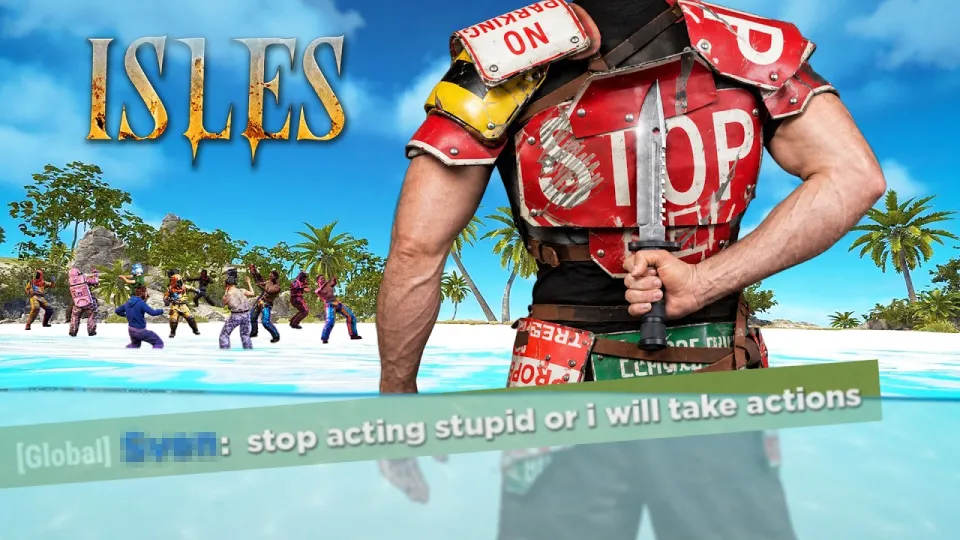
Video: Not Another Rust Streamer Server
You can order the same kind of articles for your own video to boost it on YouTube and Google. Just message the Telegram bot @sat_sit_bot. The bot writes and publishes the articles itself (with your YouTube video embedded) on popular topical websites (no ads). Free trial — 50 articles.
Surviving a Rust streamer server requires a mix of social awareness, game sense, and a tolerance for admin interference. Unlike public servers, these private worlds are built for content creation, so the usual rules of engagement are skewed by roleplay expectations and constant moderation. To avoid getting banned or becoming a target, you need to understand the unspoken hierarchy and the limits of trolling. You can follow Stimpee's live exploits on Twitch for a firsthand look at how streamers navigate these chaotic environments.
What makes Rust streamer servers different from public servers
Streamer servers are private Rust servers whitelisted for content creators, often themed around roleplay or specific scenarios like piracy. They feature active admins who enforce rules beyond the standard game mechanics, such as removing weapons from inventories to prevent griefing. The population is smaller and more familiar, which means reputation matters more than on a random public wipe. Events and gatherings are common, and admins may intervene to keep the content entertaining rather than purely competitive. For example, on the Rust Isles server, admins were seen inspecting Stimpee's inventory to confiscate items deemed too disruptive. This level of oversight is rare on official servers but standard in streamer spaces.
How to avoid admin crackdowns and bans
Admins on streamer servers are hyper-vigilant, especially with known trolls. To stay off their radar, avoid hoarding items that could be considered game-breaking, such as excessive explosives or rare weapons. Follow the server's theme and rules—if it's a pirate roleplay server, don't build a massive land base and declare war on everyone. Cooperate with admin requests, even if they seem intrusive, like inventory checks. Remember that admins are often streamers themselves and may prioritize content over fair play. If you're invited to a clan, don't betray them publicly; drama in chat can lead to swift removal. As seen in Stimpee's video, admins are quick to act when they suspect someone is disrupting the intended experience.
Navigating clan politics and roleplay expectations
Joining a clan on a streamer server comes with unwritten obligations. Leaders expect loyalty and may react poorly to betrayal, even in a roleplay context. In the Rust Isles server, one clan leader recruited Stimpee without asking questions and then had a meltdown when his boat was hijacked. To avoid similar conflicts, clarify expectations before joining: ask about resource sharing, base locations, and rules of engagement. If you plan to play solo, be prepared for clans to view you as a threat or an easy target. Roleplay is encouraged, but not everyone separates character from player. Keep interactions light and avoid personal attacks. If you must betray, do it for content and be ready for the consequences—both in-game and in chat.
Solo survival tactics on a streamer server
Playing solo on a streamer server is possible but requires extra caution. Avoid building near popular landmarks or clan bases; instead, opt for hidden locations like caves or dense forests. Use small, disposable bases and spread your loot across multiple stashes. Since admins may remove your weapons, don't rely on a single stockpile. Be wary of roof campers and large groups—streamer servers often have their share of players who camp high points for easy kills. If you're targeted, consider reaching out to admins for help, but only if you're not the instigator. Networking with other solos can provide mutual protection, but trust is fragile. Stimpee's experience shows that even solo players can become infamous, so keep a low profile until you're established.
Common pitfalls and how to handle them
Many players underestimate the social aspect of streamer servers. Talking trash in global chat or constantly killing the same streamer can get you blacklisted. Avoid stream sniping; it's a quick way to get banned. If you're invited to events, participate in good faith—sabotage may be entertaining for viewers but can ruin relationships. Don't assume admins are your enemies; they're there to keep the server running, but they also have favorites. If you feel unfairly targeted, document your actions and appeal calmly. Remember that streamer servers are a bubble; reputation travels fast. As one commenter noted, streamer RP servers can make your skin crawl, so set boundaries and don't take in-game drama personally.
Useful links
- Stimpee on Twitch – live gameplay and streamer server antics.
- Stimpee on Twitter – updates and highlights.
- Stimpee on Instagram – behind-the-scenes content.
- Stimpee's Discord – community chat and announcements.
Final thoughts
Surviving a Rust streamer server is less about shooting skill and more about social intelligence. Understanding admin expectations, clan dynamics, and the roleplay atmosphere will keep you in the game longer. Stimpee's return to a streamer server after years away highlights how quickly things can escalate—and how admins are always watching. For more chaotic adventures, follow Stimpee on Twitch and see if you can spot the next ban incoming.
Key takeaways
- Streamer servers like Rust Isles mix roleplay, piracy, and strict admin oversight.
- Admins actively monitor inventories and remove items that break server balance.
- Clan leaders expect loyalty; betrayals can lead to in-game and chat drama.
- Solo players face unique risks from roof campers and large clans.
- Stimpee's return to a streamer server shows how quickly chaos escalates.
Source: Not Another Rust Streamer Server · Markdown version
Questions & answers
What is a Rust streamer server?
A Rust streamer server is a private, whitelisted server for content creators, often with custom rules or themes like roleplay. Admins actively moderate to keep gameplay entertaining and fair for viewers.
Can I join a Rust streamer server as a regular player?
Usually no; access is by invitation only. Streamers get whitelisted through connections or applications. However, you can watch your favorite streamers play on these servers via Twitch.
Why do admins remove items from players' inventories?
Admins may remove items they deem overpowered or disruptive to the server's balance or theme. This is common on streamer servers to prevent griefing and maintain content quality.
How do streamers handle clan betrayals on roleplay servers?
Betrayals can lead to in-game retaliation and chat drama. Some clans take it personally, while others see it as part of the roleplay. Communication and setting expectations beforehand can reduce conflict.